




Hardwood Flooring Dallas, TX
Home / Hardwood Flooring Dallas, TX
Hardwood Flooring Dallas TX for Installation, Refinishing, and Floor Care
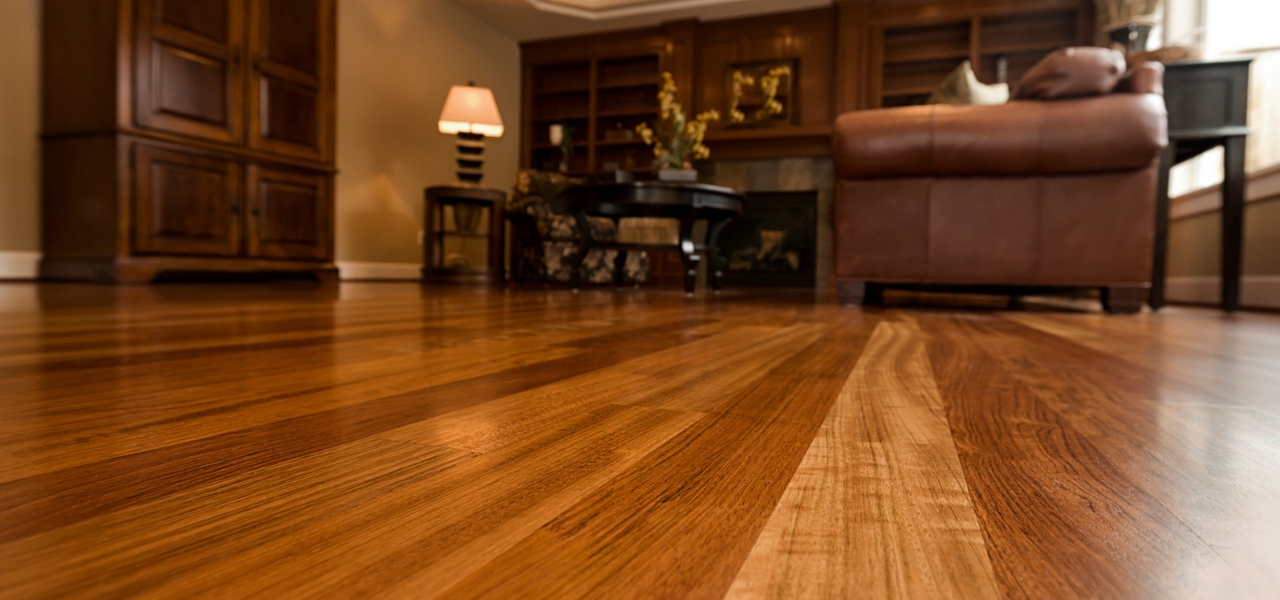
Hardwood flooring services in Dallas include installation, refinishing, and repairs. The right solution depends on your existing wood, subfloor, moisture conditions, damage level, and design goals. This guide explains the main flooring choices and when each service may be appropriate.
If your floors look scratched, dull, uneven, outdated, or damaged, At Nava Meneces Flooring LLC, we can help you evaluate the next step. We consider the wood type, room layout, foundation, daily traffic, moisture levels, and desired appearance before recommending installation, repair, or restoration.
Explore This Hardwood Flooring Guide
Explore installation, refinishing, completed projects, and other professional flooring options.
Hardwood floor installation in Dallas
Hardwood floor refinishing in Dallas
Professional flooring services
Hardwood flooring projects
Hardwood flooring service areas
Choose the Right Hardwood Flooring Type

Hardwood products differ in construction, moisture response, installation method, appearance, and refinishing potential. Understanding these differences helps you choose flooring based on the home’s conditions rather than color alone.
Solid Hardwood Flooring
Solid hardwood uses one piece of natural wood throughout each board. It provides a traditional appearance and may support several refinishing projects when enough usable wood remains.
It usually performs best over a properly prepared wood subfloor. Because solid wood expands and contracts, installation must account for acclimation, indoor moisture, expansion spacing, and seasonal movement.
Engineered Hardwood Flooring
Engineered hardwood has a real wood surface attached to supporting layers. This construction adds dimensional stability and can make it suitable for Dallas homes with concrete slabs.
Engineered hardwood still provides a natural wood appearance. However, its refinishing potential depends on the thickness of the real wood wear layer.
Prefinished and Unfinished Hardwood
Prefinished hardwood arrives with its stain and protective coating already applied. It can shorten the on-site process and provide a consistent factory-cured finish.
Unfinished hardwood is installed, sanded, stained, and sealed inside the property. It offers greater control over color and can create a smoother surface between boards, but it requires more preparation and drying time.
Popular Wood Species for Dallas Homes
Wood species affect color, grain, hardness, and how easily scratches or dents may appear.
| Wood Species | Appearance | Practical Consideration |
|---|---|---|
| Oak | Visible grain and traditional warmth | Works with many stain colors and design styles |
| Maple | Smooth grain and clean appearance | Its dense surface requires careful stain preparation |
| Hickory | Strong grain and natural color variation | Fits active rooms where a durable appearance matters |
| Walnut | Rich color and elegant grain | Its softer surface may show dents sooner |
Compare Hardwood With Luxury Vinyl and Laminate
Hardwood is not the only option for Dallas properties. Luxury vinyl and laminate may suit rooms where moisture resistance, simpler care, or a lower project scope takes priority.
Luxury Vinyl Flooring
Luxury vinyl recreates the appearance of wood while resisting everyday moisture. It may work well in kitchens, rental properties, entryways, and active family spaces. However, it cannot be sanded or refinished. Damaged planks usually require individual replacement.
Laminate Flooring
Laminate uses a printed design layer over a manufactured core. It offers many wood-look styles and may resist light scratches. However, standing water can damage its core, and the surface cannot be refinished like natural wood.
| Flooring Type | Best Fit | Main Advantage | Important Limitation |
|---|---|---|---|
| Solid hardwood | Living spaces with suitable wood subfloors | Natural material with strong refinishing potential | Requires moisture and expansion planning |
| Engineered hardwood | Concrete slabs and changing indoor conditions | Real wood with greater dimensional stability | Refinishing depends on wear-layer thickness |
| Luxury vinyl | Busy or moisture-prone rooms | Water-resistant and easy to maintain | Cannot be sanded or refinished |
| Laminate | Low-moisture rooms needing a wood look | Broad selection of styles | Moisture can affect the manufactured core |
Our professional flooring services include hardwood, engineered wood, luxury vinyl, laminate, repairs, and maintenance.
Plan Hardwood Flooring Around Dallas Conditions

Dallas heat, indoor air conditioning, seasonal humidity changes, and slab foundations can influence flooring selection and installation. These conditions affect how products should be tested, prepared, and installed.
Heat, Humidity, and Seasonal Movement
Wood naturally expands when moisture rises and contracts as indoor air becomes drier. Stable indoor temperature and humidity help limit excessive gaps, cupping, and movement. Leaks and persistent moisture should be corrected before installation begins.
Concrete Slab Foundations
Many Dallas-area homes have concrete slabs. Engineered hardwood is often considered for these properties because its layered construction provides added stability. Still, the flooring product, slab condition, room use, and moisture readings must support the chosen method.
Installation over concrete may use an approved glue-down or floating system. The slab must be clean, level, structurally sound, and within the manufacturer’s moisture limits. Cracks, coatings, residue, or uneven areas may require correction first.
Acclimation and Moisture Testing
Acclimation allows certain products to adjust to indoor conditions before installation. The correct process depends on the product, manufacturer instructions, and measured moisture levels. Leaving unopened boxes in a room does not always provide proper acclimation.
Moisture testing helps determine whether the flooring and subfloor are ready. Installers may test both concrete and wood surfaces. They must also leave appropriate expansion spacing so the floor can respond to normal seasonal changes.
Understand Common Hardwood Installation Methods
The correct installation method depends on the product, subfloor, room conditions, and manufacturer requirements. Not every floor supports every method.
Nail-Down and Staple-Down Installation
These methods attach flooring to an approved wood subfloor. They are common for solid hardwood and some engineered products. The surface must be dry, stable, flat, and thick enough to hold the fasteners.
Glue-Down Installation
Glue-down installation bonds approved flooring directly to the prepared subfloor. It is often used for engineered hardwood over concrete. The adhesive must match the flooring and site conditions. Moisture, residue, or uneven adhesive coverage can weaken the system.
Floating Installationation
A floating floor connects to itself instead of being fastened through each board. Some engineered hardwood, luxury vinyl, and laminate products use this method. The floor still needs a level surface, approved underlayment, perimeter spacing, and correct transitions.
Subfloor Preparation
Subfloor preparation affects every installation method. Installers may need to correct high areas, low spots, movement, damage, debris, or moisture concerns before placing the material.
Review our hardwood floor installation in Dallas service for project-specific guidance.
Compare Professional Installation With DIY Projects
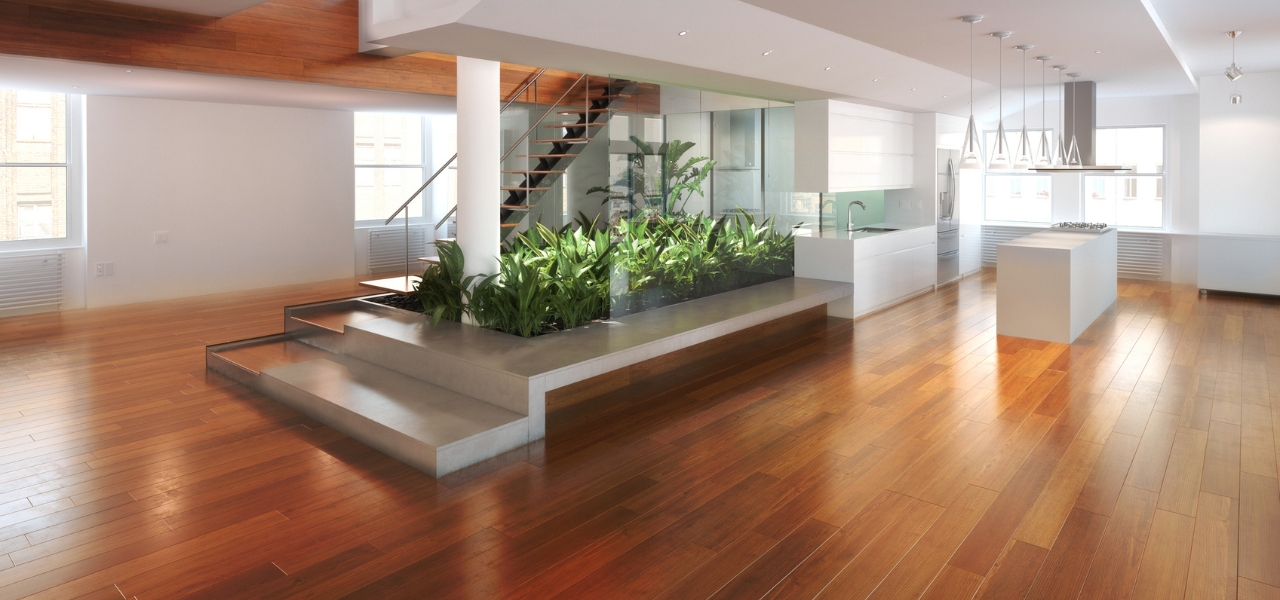
DIY hardwood installation research can help homeowners understand the work involved. However, cutting, spacing, moisture checks, transitions, subfloor preparation, and layout decisions directly affect the finished floor.
Before starting, confirm that you can follow all product requirements. Installation mistakes may increase material waste, create uneven lines, or affect warranty coverage.
| Project Area | DIY Consideration | Professional Decision Point |
|---|---|---|
| Subfloor | Check visible damage and uneven areas | Measure flatness, movement, and moisture |
| Layout | Select a starting wall and direction | Plan sight lines, cuts, transitions, and board distribution |
| Expansion space | Leave gaps near walls | Follow exact product requirements around fixed surfaces |
| Tools | Rent or buy equipment | Use tools suited to the product and installation method |
Common mistake: Installation is not only about placing boards. Moisture, subfloor conditions, spacing, cuts, and transitions affect long-term performance.
Understand Refinishing and Recoating Options
If hardwood remains stable and has enough usable thickness, refinishing or recoating may restore the surface without replacing the entire floor.
What Sanding Removes
Sanding removes the existing finish and a controlled amount of wood. It can reduce scratches, worn areas, light discoloration, and uneven finish. However, deep damage may remain, and excessive sanding can reduce the floor’s usable thickness.
How Screen-and-Recoat Works
A screen-and-recoat process lightly abrades the existing finish so a fresh protective coat can bond. It may improve light wear and reduced shine, but it cannot remove deep scratches, exposed wood, heavy stains, or major color differences.
Stain and Wear-Layer Considerations
Staining is optional when homeowners want to preserve the wood’s natural tone. It becomes useful when changing the color or improving consistency. Test samples can show how each species absorbs stain.
Solid hardwood usually provides more refinishing potential than engineered wood. Engineered hardwood has a real wood wear layer, and sanding through that layer can expose the supporting material. Previous sanding and current thickness must be checked first.
Deep Stains, Preparation, and Drying
Deep stains from moisture, pets, or chemicals may remain after safe sanding. In those cases, board replacement, a darker stain, or full replacement may create a more even result.
Rooms generally need to be cleared before refinishing. Drying and curing times depend on the finish, indoor conditions, and manufacturer instructions. A floor may feel dry before it is ready for rugs, furniture, pets, or regular traffic.
Explore our hardwood floor refinishing in Dallas service when your existing wood needs evaluation.
Decide Whether to Repair, Refinish, or Replace
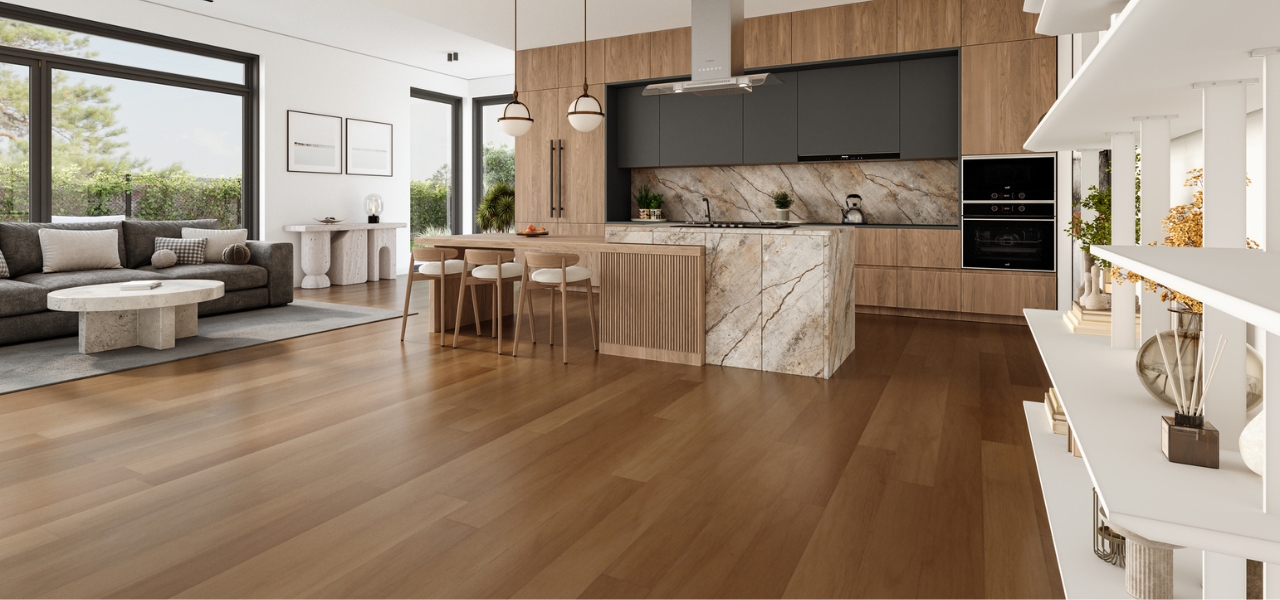
The correct solution depends on how far the damage extends and whether the boards and subfloor remain stable.
| Floor Condition | Likely Solution |
|---|---|
| Light surface scratches | Buff and recoat |
| Worn or faded finish | Sand and refinish |
| A few damaged boards | Localized repair |
| Moisture-damaged sections | Board replacement and moisture correction |
| Widespread structural damage | Full replacement |
Compare the Main Flooring Solutions
| Option | Best For | Main Benefit | Important Consideration |
|---|---|---|---|
| New installation | Rooms without hardwood or heavily damaged floors | Complete transformation | Requires subfloor and moisture planning |
| Refinishing | Structurally sound but worn floors | Restores existing wood | Deep damage may need repair first |
| Buff and recoat | Light surface wear | Less invasive refresh | Does not remove deep scratches |
| Localized repair | A few damaged boards | Preserves most of the floor | Matching wood and color may be difficult |
| Replacement | Extensive damage or layout changes | Provides new material and design options | Requires a larger project scope |
Important action: Correct active moisture problems before repairing or replacing flooring. Otherwise, new boards may develop similar damage.
Understand Cost and Project Scope
Flooring costs depend on the service, material, preparation, room layout, and finish requirements. Installation, refinishing, repair, and recoating each involve different labor and materials.
Common Cost Factors
Total square footage and room layout
Solid, engineered, vinyl, or laminate construction
Wood species, grade, width, and thickness
Prefinished or unfinished material
Existing flooring removal
Subfloor repair, leveling, or moisture preparation
Stain, finish, trim, and transitions
Installation or refinishing method
Compare detailed scopes rather than only final totals. One estimate may exclude preparation, repairs, transitions, cleanup, or finish work.
Review our questions to ask a flooring contractor before selecting a team.
Hire a Dallas Flooring Team With a Clear Process
A flooring project should begin with an evaluation of the existing surface, subfloor, moisture conditions, room use, and desired appearance. The recommendation should explain why installation, refinishing, repair, or recoating fits the property.
Our team at Nava Meneces Flooring LLC brings more than 20 years of flooring experience to residential and commercial projects. Before work begins, we review preparation needs, flooring materials, finish choices, access requirements, and the planned project scope.
Ask how a contractor will prepare the subfloor, manage moisture, install transitions, protect nearby areas, and address unexpected damage. Also confirm that the proposed product suits the foundation and room conditions.
View our hardwood flooring projects, read customer reviews, or explore our hardwood flooring service areas.
Frequently Asked Questions
Can oak hardwood floors be refinished?
Oak can often be refinished when the boards remain stable and thick enough. Sanding removes the old finish before stain and protective coatings are applied.
Can hardwood be refreshed without sanding?
Light wear may qualify for screen-and-recoat service. Deep scratches, exposed wood, heavy stains, or damaged boards usually require more extensive work.
Can engineered hardwood be refinished?
Some engineered products can be refinished. The decision depends on wear-layer thickness, previous sanding, product construction, and current condition.
Do you handle installation and refinishing?
Yes. Our professional flooring services include installation, refinishing, repairs, engineered wood, laminate, luxury vinyl, and maintenance.
Where can I see completed flooring work?
Review our hardwood flooring project gallery before selecting a service, material, or finish.

Free estimates available
Phone
Address
Dallas TX 75217
@ 2026 -Nava Meneces Flooring LLC | All Rights Reserved