



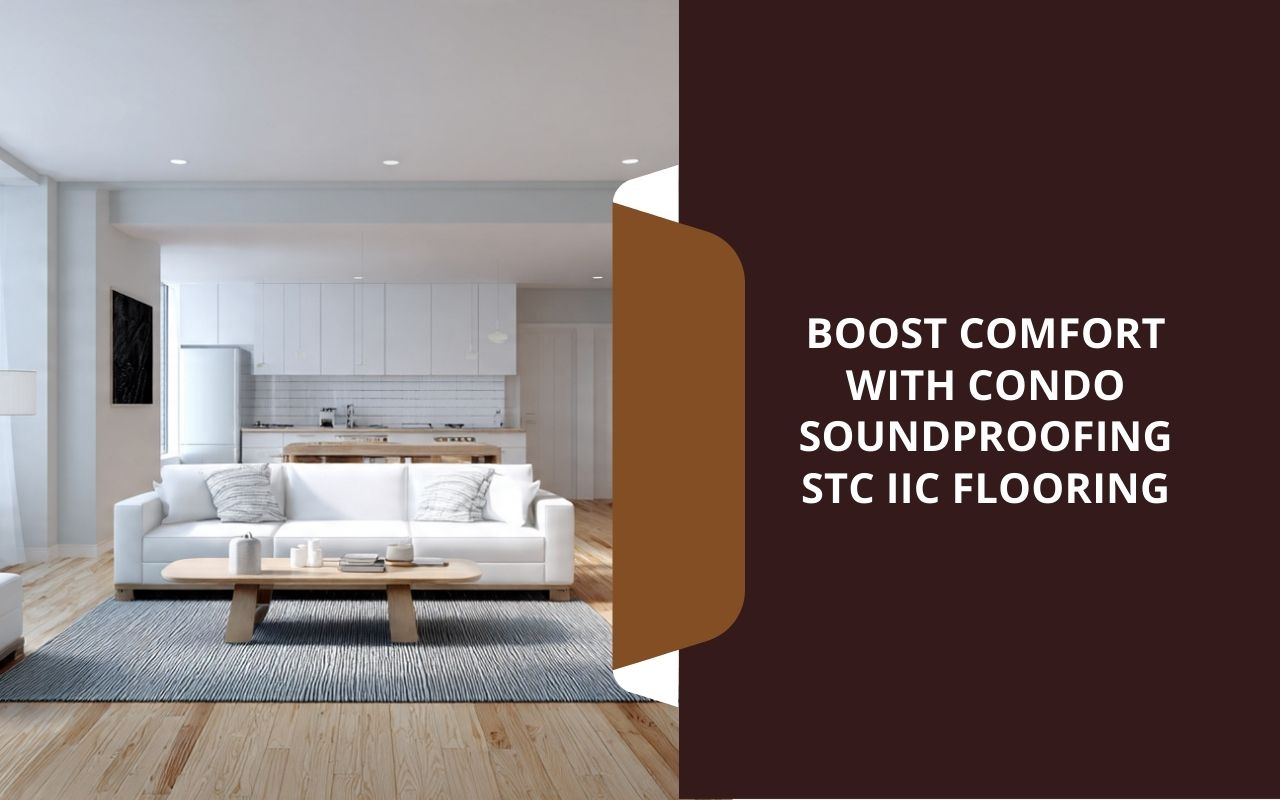
Boost Comfort With Condo soundproofing STC IIC flooring
Elevate your living space with peace and quiet by exploring condo soundproofing. Imagine relaxing after a long day. Then, footsteps above or voices next door break your calm. Thin walls and floors can ruin your rest.
However, there is a clear path forward. When you understand STC and IIC ratings, you can pick better floors. As a result, you reduce noise and regain comfort. This guide also helps with HOA rules and the right Underlayment.
Understanding STC and IIC Ratings
First, STC measures how well a surface blocks airborne noise. For example, it covers voices, music, and TV sounds. The higher the STC number, the less sound passes through. In many condos, 50 or more is a strong goal for everyday comfort.
Next, IIC measures impact noise. This includes footsteps, dropped items, and moving furniture. In multi-story buildings, IIC above 55 often performs well. Therefore, compare STC/IIC numbers together. That way, you can solve both air noise and step noise.
Why Condo soundproofing STC IIC flooring Matters
Condo soundproofing STC IIC flooring supports comfort and privacy every day. Shared walls and thin floors can let noise slip through. Consequently, stress can rise and rest can drop. With better sound control, hallway noise fades, and upstairs steps feel softer.
Also, quieter homes can help property value. Many buyers prefer a unit that feels calm. In addition, better sound control improves sleep and focus. It can even reduce neighbor tension, since noise issues become less common.
Improves comfort during daily routines
Protects privacy in shared buildings
Supports better sleep and focus
Can help resale appeal over time
Common Noise Problems in Condos
Generally, condos deal with two noise types. Airborne noise includes voices, music, and TV sound. Thin walls can let these sounds travel. Also, gaps near doors, windows, and vents can let noise sneak in.
Meanwhile, impact noise can feel even worse. Footsteps, sliding chairs, and dropped items travel through hard floors. Tile and wood can pass those vibrations quickly. Therefore, identify your main noise source first. Then, you can pick the best fix.
Airborne noise: voices, music, TV
Impact noise: footsteps, moving chairs
Weak points: gaps, seams, and edges
Checking HOA rules Before You Start
Before you begin, review HOA rules for flooring updates. Many associations require certain ratings or approved materials. As a result, skipping this step can lead to rework or fines. Some HOAs ask for minimum STC/IIC results for any new floor.
Additionally, keep records of messages and approvals. If the HOA provides an approved list, use it. That way, the process moves faster. You also protect your investment and follow the building’s style standards.
Read flooring and sound rules in writing
Ask what ratings your building requires
Get approvals before ordering materials
Save emails, forms, and signed notices
Choosing the Right Flooring Materials
Different floors handle sound in different ways. Carpet and cork often absorb noise better. Meanwhile, vinyl plank and engineered wood can vary by build. If you like hard floors, choose thicker options or products with an acoustic core.
Moreover, balance style and durability with noise goals. For example, luxury vinyl with an acoustic backing can look modern and soften steps. If you want a wood look, choose engineered wood paired with a sound layer. Always compare product reports for STC/IIC.
How Underlayment Improves Sound Control
A quality Underlayment can lift sound control in a big way. It works like a cushion under your finished floor. As a result, it reduces vibration and softens impact noise. Options include foam, cork, and rubber, and each performs differently.
Also, compare the system goals to your condo needs. Many products can raise IIC by 10 to 20 points. Therefore, review data sheets, not just marketing claims. For more details, explore acoustic underlayment for vinyl and how it supports quieter floors.
Installing Sound-Reducing Flooring the Right Way
Good results depend on smart installation. First, prepare the subfloor. Clean it, level it, and seal edge gaps. Then, add any needed moisture layer to protect the system over time.
Whenever possible, use a floating floor method. In that setup, planks lock together without nails into the base. Therefore, the floor stays more separated from the building. Follow product instructions for seams, overlaps, and trim pieces, because small mistakes can leak sound.
Frequently Asked Questions
What do STC/IIC ratings tell me?
They show how a floor or wall reduces noise. STC covers air noise, while IIC covers step noise.
What is a good rating target for condos?
Many condos aim for STC around 50+ and IIC around 55+. However, check building rules first.
Do HOA rules affect my flooring choice?
Yes. HOA rules may set minimum ratings or approved materials. Therefore, confirm requirements before purchase.
Will Underlayment help with footsteps?
Yes. Underlayment can reduce impact vibration. As a result, footsteps and drops can sound much softer.
Can I soundproof without changing the whole floor?
Sometimes. Rugs, seals, and minor fixes can help. Still, flooring systems offer the biggest change.
Maintaining Your Sound-Reducing Floor
After installation, protect your results with steady care. Sweep or vacuum often to reduce seam wear. Also, check edges and transitions for gaps. If planks loosen, fix them early, because small openings can let sound travel.
Use gentle cleaners made for your floor type. Avoid too much water and harsh chemicals. Over time, inspect doorways and wall edges to keep seals tight. If you need help planning your next step, contact Nava Meneces Flooring LLC through the contact page.
Create Your Calm Condo Retreat
Once you apply condo soundproofing STC IIC flooring, daily life feels calmer. Noise from neighbors becomes less distracting. Consequently, your home supports rest, focus, and comfort.
By pairing smart materials with the right sound layer, you can protect your peace. Also, when you follow HOA rules, the process stays smooth. Condo soundproofing STC IIC flooring can turn your space into the quiet retreat you deserve.
