




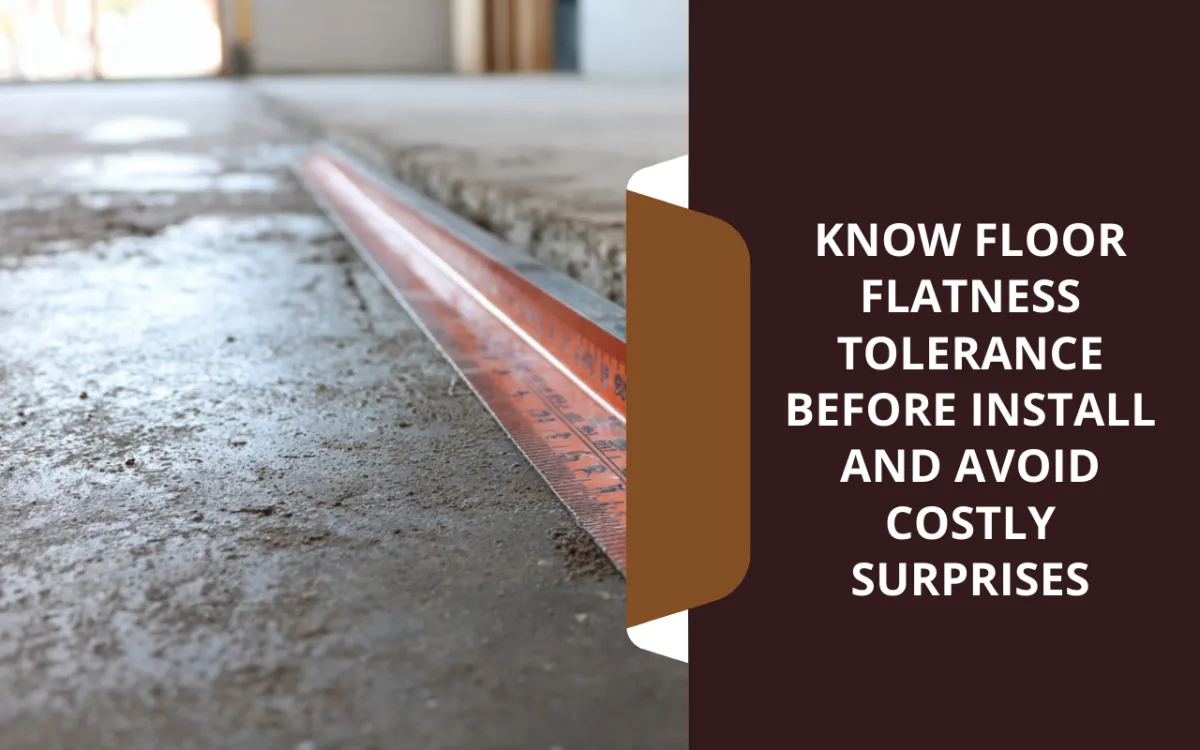
Know Floor Flatness Tolerance Before Install and Avoid Costly Surprises
Understand Floor Flatness Tolerance Before Install: Why It Matters. Getting your floor right before installation can be the difference between a clean finish and a costly mess. Floor flatness tolerance is simple, yet crucial. When it’s missed, high spots and slab issues can create bumps, cracks, and long-term problems.
That’s why floor flatness tolerance before install should guide every step. With the right checks, you can prevent common failures and build a solid base. Nava Meneces Flooring LLC helps homeowners and contractors plan smarter, so floors stay smooth and strong for years.
Why Floor Flatness Tolerance Matters for Every Flooring Job
Floor flatness tolerance before install helps your flooring sit evenly and lock in place. Otherwise, gaps, ridges, and weak bonding can appear. As a result, floors may squeak, shift, or look uneven. This is especially true when high spots or dips are ignored during prep.
In many projects, people try to mask issues using leveling compound. However, cracks and movement may still show up later. By checking early, you avoid repairs, early wear, and frustrating callbacks. Nava Meneces Flooring LLC often sees that early prep keeps projects smoother and clients happier.
Reduces gaps, ridges, and poor seams
Helps planks and tiles bond correctly
Lowers the risk of squeaks and tripping hazards
What Floor Flatness Tolerance Means in Simple Terms
Floor flatness tolerance is how much a surface can vary from a flat plane without causing problems. It allows small variation, yet it sets a clear limit. In other words, it tells you if a slab is ready or if you need to fix dips and high spots first.
Think of floor flatness tolerance before install as a checkpoint. If slab issues go past the allowed range, corrections are needed. Contractors often use a straightedge to find gaps or rocking points. When the straightedge shows bowing or space underneath, the surface needs work.
High spots vs. low spots
High spots push flooring upward and create bumps. Low spots leave empty space, which can weaken bonding. Therefore, both problems need attention before you install.
Standards and Guidelines Installers Follow
Many groups publish guidance for floor flatness tolerance before install. One common method is the F-number system, which rates how flat a floor is. Higher numbers mean a flatter surface. Also, standards from groups like ASTM and ACI provide tolerance limits based on the flooring type and building use.
Even though the rules can feel detailed, they help everyone stay aligned. For example, warehouses may allow more variation than showrooms. Still, the goal is the same: avoid slab issues that lead to uneven wear and safety risks. Nava Meneces Flooring LLC follows practical checks so floors perform well and look clean.
F-number ratings help describe flatness clearly
Different spaces need different tolerance targets
Standards reduce disputes and improve outcomes
Tools and Methods to Measure Floor Flatness
Installers check floor flatness tolerance before install with straightedges, levels, and digital tools. A straightedge quickly shows dips and high spots. For more precision, laser levels and digital meters capture readings across many points. Consequently, crews can spot trouble areas before materials go down.
When dips show up, leveling compound can fill and smooth low areas. Meanwhile, grinding is common for high spots. Logging readings at set intervals also prevents missed bumps. If you’re planning a vinyl plank job, you can review preparation details through vinyl plank flooring installation in Dallas, TX.
Straightedge checks for gaps and rocking
Laser levels confirm larger-area consistency
Grinding reduces high spots, while leveling compound fills dips
Common Problems When Flatness Is Ignored
When floor flatness tolerance before install is skipped, the final floor can crack, squeak, or buckle. Uneven bases push stress into the finish material. As a result, brittle surfaces may break, and flexible floors may lift or ripple. High spots can also show through, creating visible bumps that trap dirt.
Slab issues can also hurt adhesive performance. Low areas may pool adhesive, while high spots may leave bare gaps. Over time, this weak bonding can lead to moisture trouble and early failure. Nava Meneces Flooring LLC often recommends early checks because fixing issues after install usually means tearing the floor out.
Benefits of Meeting Flatness Tolerance Before Installation
Following floor flatness tolerance before install supports better results and fewer surprises. Floors sit tight, look smoother, and last longer. In addition, you lower the chance of cracks, gaps, and movement that trigger complaints. That stability improves satisfaction for both homeowners and project managers.
It also improves efficiency. When prep is handled early, installers can work faster with fewer adjustments. Material planning becomes easier, and waste drops. Nava Meneces Flooring LLC focuses on prep-first workflows because they keep budgets steady and timelines realistic.
Best Practices to Reach the Right Floor Flatness
Start by inspecting the slab early. Then schedule prep work before installation day. If you find high spots, plan grinding. If you find dips, keep leveling compound ready. Because drying time matters, early planning avoids last-minute delays and rushed decisions.
Clear communication also helps. Share goals, mark high and low zones, and work through problem areas in a set order. Also, use quality products so results stay consistent. When you want professional input, Nava Meneces Flooring LLC can help you align prep steps with your flooring plan.
Inspect early and map problem areas
Grind high spots and fill dips with leveling compound
Allow proper cure and drying time
Frequently Asked Questions
What is floor flatness tolerance before install?
It’s the allowed amount of surface variation before flooring goes down, so materials can sit and bond correctly.
Can leveling compound fix every uneven floor?
It helps with low areas, but high spots often need grinding. In many cases, both steps are needed.
Why are high spots a problem for vinyl and tile?
They can cause bumps, poor locking, and stress points. Over time, that can lead to lifting or cracking.
How do contractors measure slab issues quickly?
Many use straightedges, laser levels, and spot readings across the room. This makes trouble areas easy to map.
When should I call a pro for flatness checks?
If the floor shows visible dips, rocking, cracks, or repeated failures, it’s smart to involve a flooring team early.
Take Your Next Step Toward a Smoother Install
Floor flatness tolerance before install may feel like an extra step, yet it protects the entire project. By measuring early, fixing high spots, and using leveling compound for dips, you reduce delays and avoid rework. You also keep slab issues from ruining the finish later.
If you want help preparing your surface the right way, reach out to Nava Meneces Flooring LLC. Use the contact page for Nava Meneces Flooring LLC to discuss your space and timeline.
