



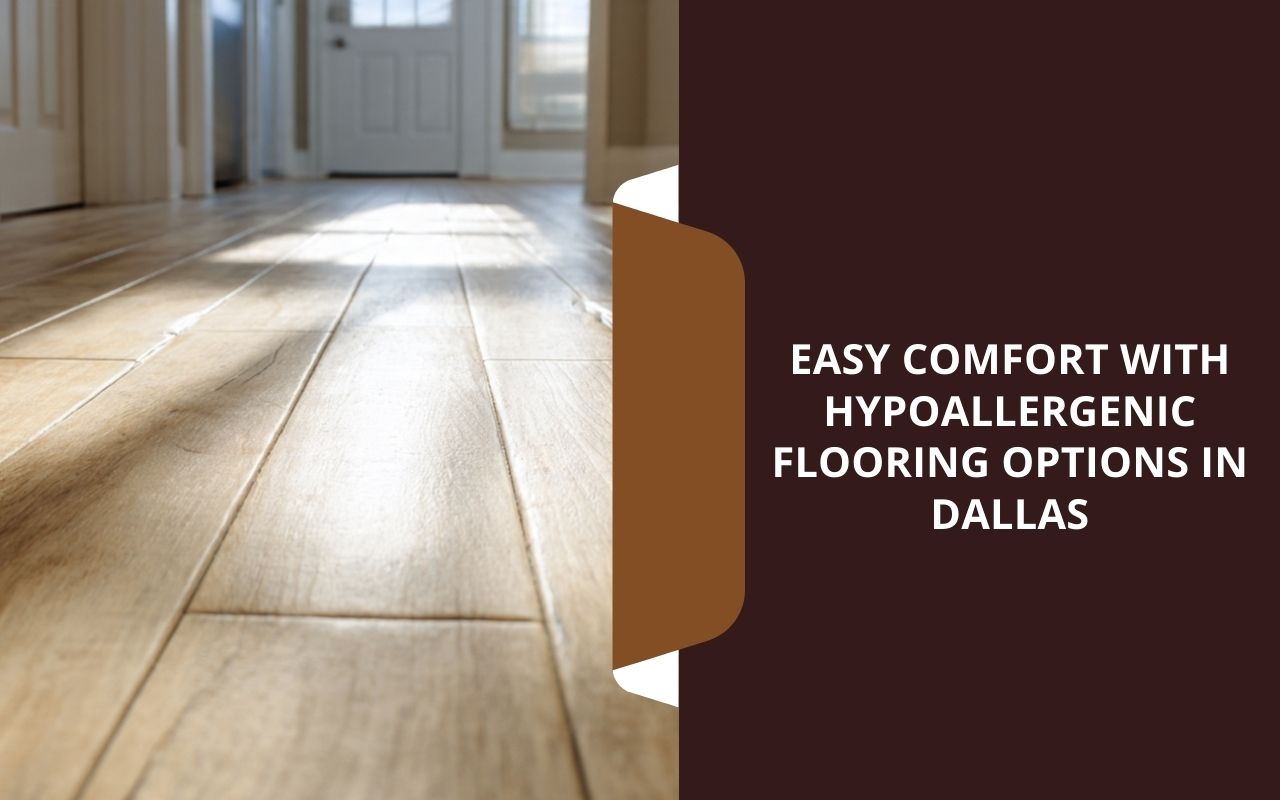
Easy Comfort With Hypoallergenic Flooring Options in Dallas
Finding Comfort with Hypoallergenic Flooring Options in Dallas. Finding the perfect flooring solution can be a real challenge, especially if you're looking for something that won't trigger allergies or add to indoor air pollution.
In Dallas, dust and allergens can enter homes fast. So, Hypoallergenic flooring options in Dallas can feel like a breath of fresh air. In this guide, you’ll explore hard surfaces and water-based finishes that can reduce VOCs. As a result, your home can look great and feel easier to breathe in.
Benefits of Hypoallergenic Flooring
Choosing Hypoallergenic flooring options in Dallas can help lower common triggers like dust mites, pet dander, and mold spores. Unlike thick carpet, hard surfaces and low-pile choices let you remove irritants faster with regular cleaning. Therefore, many people notice fewer sneezes, less congestion, and better indoor air quality.
Also, many materials and coatings release fewer VOCs, especially when paired with water-based finishes. Plus, these floors often resist stains and moisture. Over time, that can support long-term durability and peace of mind.
Helps reduce dust, dander, and mold buildup
Supports easier cleaning with hard surfaces
Can lower VOCs with safer coatings
Often adds durability and moisture resistance
Hard Surface Flooring Options
Hard surfaces like tile, vinyl, and stone are naturally less friendly to allergens. Since they are smooth, dust and pet hair stay on top. As a result, cleaning is quicker and more effective. In Dallas, these options can handle humidity swings better, which can help reduce moisture issues.
In addition, hard surfaces can make a room feel brighter and bigger. You can also add washable area rugs, which keeps comfort while supporting allergy control. For more on resilient styles, explore this guide: vinyl flooring in Dallas guide.
Porcelain or ceramic tile for a clean, sleek look
Luxury vinyl plank for a wood-style feel
Stone for long-lasting, easy-care surfaces
Washable area rugs for added softness
Engineered Hardwood Flooring
Engineered hardwood uses a real wood top layer with stable backing layers underneath. Because of that build, it can handle temperature changes well, which matters in Dallas. Unlike solid wood, it can resist warping and may work over concrete slabs.
For allergy concerns, engineered hardwood is a strong choice because dust and dander stay on the surface. Then, you can remove them with vacuuming and damp mopping. Many products also pair well with water-based finishes, which can help reduce VOCs while keeping the wood protected.
Stable layers can reduce shifting and warping
Smooth top makes allergy cleanup easier
Pairs well with water-based finishes
Often works well in busy areas
Cork Flooring Benefits
Cork flooring comes from the bark of cork oak trees, so it’s a renewable option. Its structure can resist moisture, mold, and mildew, which supports allergen control. Also, cork feels softer underfoot and can reduce noise, which works well for living rooms and nurseries.
Another helpful feature is cork’s natural antimicrobial traits, which can reduce bacterial and fungal growth. When sealed with water-based finishes, cork can keep a lower VOC profile. With regular sweeping and light damp mopping, cork can stay fresh and comfortable.
Laminate Flooring for Allergen Control
Laminate can be a budget-friendly path to a cleaner home. Since it has a sealed wear layer, it can reduce places where dust and pet dander hide. So, quick vacuuming or damp mopping can keep the surface more comfortable for allergy-prone households.
Today, many laminate products are made with lower-emission adhesives and coatings. When you choose options with low VOCs, you support better indoor air. As a result, laminate can balance style, durability, and cleaner daily living.
Water-Based Finishes and Sealants
Water-based finishes can play a key role in keeping indoor air cleaner. Traditional solvent coatings may release more VOCs, which can irritate breathing. In contrast, water-based options can reduce those emissions, while still sealing the floor well.
When used on wood, cork, or engineered planks, these finishes form a protective barrier against spills and allergens. They often dry faster and smell milder, too. Therefore, they can be a smart step when planning Hypoallergenic flooring options in Dallas.
Carpeting Alternatives for Allergy Sufferers
If wall-to-wall carpet feels risky, you can still add warmth in simpler ways. For example, washable area rugs and runners can bring comfort while staying easier to clean. Also, low-VOC rug pads can help reduce extra emissions and keep rugs in place.
In playrooms or home gyms, interlocking vinyl tiles or rubber mats can work well. Since they are hard surfaces, they are simpler to wipe down. As a result, you can keep cozy zones without trapping allergens deep in fibers.
Maintenance Tips for Hypoallergenic Flooring
Even the best floors need the right routine. So, vacuum or sweep often, and use a HEPA-filter attachment when possible. For hard surfaces, damp mopping with a mild, fragrance-free cleaner helps remove residue without adding harsh chemicals or VOCs.
Also, handle spills quickly to reduce mold risk, especially on cork or engineered wood. Over time, you may refresh water-based finishes to maintain the protective seal. These habits help Hypoallergenic flooring options in Dallas stay cleaner and easier to live with.
Sweep or vacuum frequently to reduce dust
Use a HEPA filter to trap fine particles
Damp mop with mild, fragrance-free cleaners
Clean spills quickly to limit moisture problems
Frequently Asked Questions
Which flooring materials are best for allergy-prone homes?
Hard surfaces like tile, vinyl, stone, and engineered hardwood can be helpful because allergens stay on top and are easier to remove.
Do water-based finishes really make a difference?
Yes. Water-based finishes often release fewer VOCs than solvent-based coatings, which can support better indoor air.
Is laminate a good choice for allergen control?
It can be. Because laminate is sealed and has fewer gaps, it can reduce places where dust and dander hide.
Can I still use rugs if I have allergies?
Yes, especially washable rugs. If you clean them often and use low-VOC rug pads, they can add comfort with less buildup.
How often should I clean hypoallergenic floors?
Light cleaning often helps most homes. Sweeping or vacuuming several times a week, plus damp mopping as needed, can reduce triggers.
Choosing the Right Flooring Professional
The installer you choose can affect long-term results. Look for a Dallas team that works with low-VOC products and water-based finishes. Then, ask which brands they use and how they handle subfloor prep and material acclimation. These details can help your floor perform better over time.
If you want help selecting Hypoallergenic flooring options in Dallas that fit your space, reach out to Nava Meneces Flooring LLC. You can share your goals and ask about cleaner installation choices through the contact page.
