




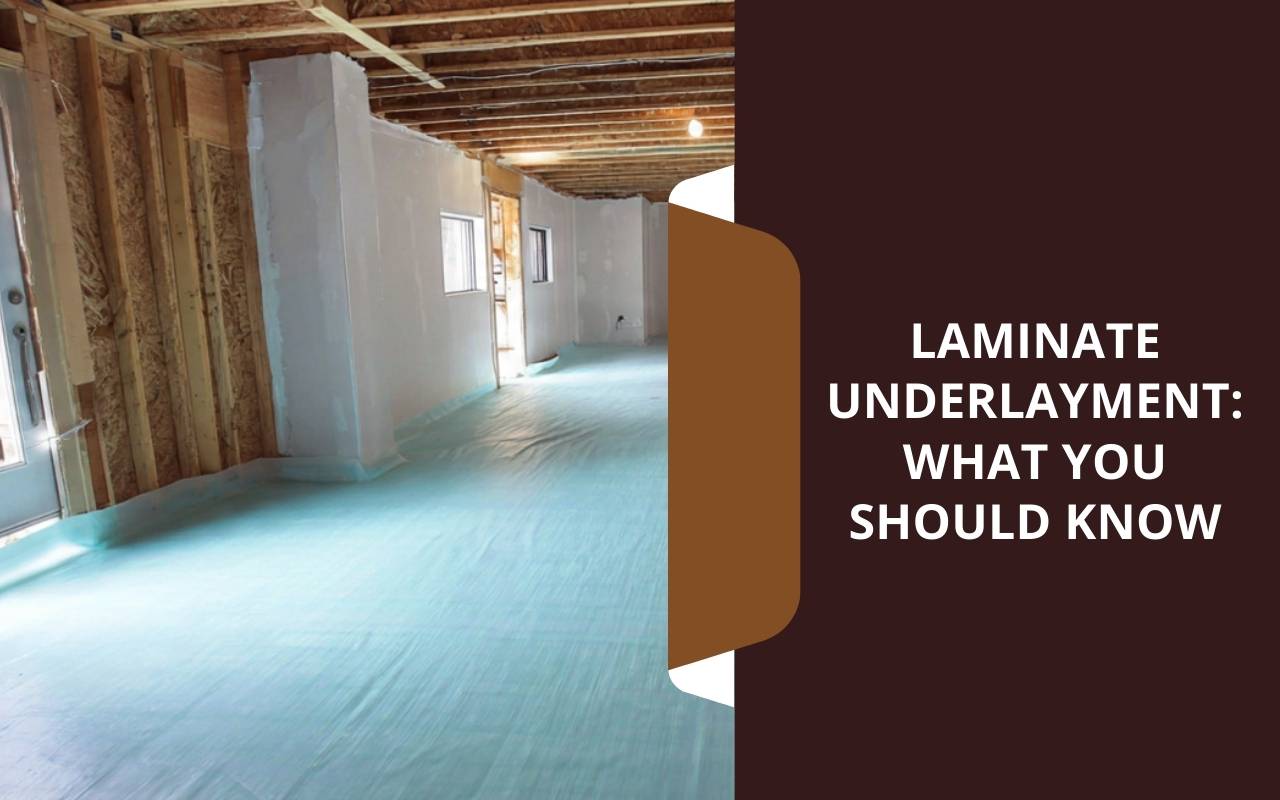
Laminate Underlayment: What You Should Know
Laminate underlayment is a small detail that can change how your floor feels and lasts. It sits under your laminate planks, adding comfort and basic protection in every room. Whether you install over a concrete slab or a wood subfloor, the underlayer you choose truly matters.
You also need to think about moisture, thickness, and sound. For example, a vapor barrier on slab areas stops hidden dampness from reaching your planks. An underlayment thickness guide and clear foam vs cork underlayment tips support smart choices. With this help, you can design a floor that looks good, feels steady, and lasts for years.
Importance of Laminate Underlayment
Understanding why laminate underlayment matters helps you avoid future floor problems. This thin layer rests under the boards and makes each step feel softer instead of loud and harsh. It also smooths small dips or bumps in the subfloor, so your planks lock together in a neat line.
Softens foot traffic for everyday comfort.
Helps hide minor subfloor flaws.
Supports a clean, even look across the room.
Moisture control is equally important, especially over concrete or in damp rooms. Some products include a built-in moisture barrier that protects boards from swelling or mold. In addition, this layer can cut down creaks, echoes, and impact noise, which is useful in busy homes. Together, these benefits extend the life of your floor and keep your space more peaceful.
Types of Laminate Underlayment Materials
Homeowners can choose from several padding materials, and each option brings different strengths to the project. Foam is light and budget-friendly, cork feels natural and warm, rubber-backed styles resist spills, and felt can calm noise. Knowing these choices makes it easier to match performance to each room in your home.
Thickness and how it affects comfort.
Moisture protection needs in each area.
Noise levels and privacy between rooms or floors.
Your subfloor type, such as concrete or wood.
You can use an underlayment thickness guide to check which height works with your subfloor and door clearances. Comparing foam vs cork underlayment also reveals differences in comfort, strength, and cost, so you avoid regret later. By weighing these points, you select padding that fits both your budget and your lifestyle.
Foam Underlayment: Pros and Cons
Foam padding is popular because it is affordable and simple to install, even for first-time DIY projects. It usually comes in light rolls that you unroll, trim, and tape together along the seams.
Many versions include a thin built-in layer that works like a vapor barrier on slab installations. This design saves you time and reduces the number of materials you must manage.
However, foam can slowly compress under heavy furniture or steady foot traffic. This wear may create small dips or a slightly hollow feeling when you walk. Its sound control and heat insulation are limited, so busy rooms or upper floors may need a stronger product.
Cork Underlayment: Benefits and Considerations
Cork padding appeals to many homeowners because it feels natural, durable, and environmentally friendly. It comes from tree bark and naturally resists mold, mildew, and even some insects. Tiny air pockets inside the material soften each step and reduce echoes between rooms.
Many people enjoy its cushioned feel, which adds a slight touch of luxury underfoot. However, cork usually costs more than basic foam and needs a very dry subfloor before installation.
Because it can absorb moisture, you may also need a separate vapor barrier for full protection in damp areas. Balancing its comfort, sound control, and price will guide you to the right rooms for cork.
Vapor Barriers for Moisture Protection
Protecting your floor from dampness is critical, especially when you install over concrete. Without a proper vapor barrier on slab surfaces, water vapor can rise and make planks swell or buckle. A well-sealed moisture shield keeps humidity away from both the flooring and the subfloor below.
You can choose padding that already includes a barrier or lay a clear plastic sheeting before the underlayer. In every case, seams should overlap and be sealed firmly with tape to block small gaps. Taking time with this step prevents hidden moisture problems and protects your investment for years.
Achieving the Right Underlayment Thickness
Thickness affects comfort, stability, and whether your floor meets the manufacturer’s rules. If the pad is too thin, it may not cushion steps; if it is too thick, plank joints can strain. An easy-to-read underlayment thickness guide can point you toward a safe middle ground.
Most projects work well with a padding between 2 mm and 3 mm, unless the subfloor is very uneven. Thicker products can hide small waves but might change door clearance or conflict with some locking systems. Always check both the flooring instructions and your base surface before you make a final choice.
Sound Absorption and Insulation Factors
Underlayment for sound is a major concern in multi-story homes, apartments, and busy shared spaces. Good padding reduces impact noise from footsteps and limits echoes that travel between rooms or floors. Cork and some upgraded foam products often perform better than very thin basic rolls.
Beyond noise, insulation can affect how warm your floor feels and how much energy your home uses. Denser materials trap more heat and can help rooms stay comfortable longer between heating or cooling cycles. When you compare products, note their sound ratings and any insulation details on the label.
Second-floor bedrooms and hallways.
Condo or apartment living spaces.
Home offices where noise can distract.
Installation Tips for Your Underlayment
Good results start with a clean, dry, and level subfloor. Sweep up all debris, fill low spots with patch, and sand down high areas. A smooth base helps the padding lie flat and work as designed.
Check the subfloor for cracks, bumps, or loose sections.
Confirm that moisture levels are within the limits for your product.
Gather tools such as tape, a knife, and a straight edge.
When you are ready, unroll the padding lengthwise, cut it to size, and tape the seams tightly. Leave a small gap around walls and fixed objects so the floor can expand and contract. Follow the directions on the packaging, because some products need staples or special tape while others simply float. Careful prep now prevents squeaks and later repairs.
If you prefer expert help with prep and layout, explore our flooring services to see how professionals handle each step.
Maintenance and Longevity of Underlayment
Once installed, padding needs very little day-to-day care, but you should still watch for moisture and wear. Use entry mats and furniture pads to spread pressure and reduce deep dents under table or sofa legs. Regular sweeping or vacuuming also keeps grit from working between planks and creating raised spots.
If you notice squeaks, dips, or shifting boards, address the issue instead of ignoring it. Often, a small section of padding has moved, and you can fix it by lifting a few planks and re-taping seams. With careful installation and quick repairs, the padding and the floor above can last for many years.
Frequently Asked Questions
Do I always need underlayment with laminate flooring?
Most laminate floors do need a separate pad, unless the planks have one already attached. The extra layer adds comfort, protects against minor subfloor flaws, and can reduce noise. Always read the flooring box to see what the manufacturer requires for a valid warranty.
When is a vapor barrier on a slab necessary?
Whenever you install over concrete, you should include a vapor barrier unless the product clearly states otherwise. Concrete naturally releases moisture, even when it feels dry. A barrier keeps this dampness from reaching the padding and planks, which helps prevent swelling, mold, and bad odors.
How thick should my underlayment be?
For most homes, padding between 2 mm and 3 mm balances comfort, support, and manufacturer rules. Very thick products can feel soft at first, but might stress plank joints or affect door clearance. Always check the flooring instructions before choosing a different thickness.
Is foam vs cork underlayment better for sound?
Cork usually blocks more noise because it is denser and has tiny air pockets that absorb sound. Standard foam helps a little but may not be enough in upstairs rooms or multi-family buildings. Look for products with clear sound ratings when noise control is a high priority.
Can underlayment fix an uneven floor?
Padding can hide very small waves or gaps, but it cannot correct major dips or high spots. You should repair the subfloor first by filling, sanding, or replacing damaged sections. Once the base is stable and mostly level, the pad can do its job well.
Enhancing Durability and Comfort in Your Home
A well-chosen laminate underlayment does more than soften the surface of your floor. It shields against moisture, reduces noise, and smooths out small flaws in the base. Together, these benefits make every room feel more stable, comfortable, and inviting.
By comparing foam vs cork underlayment and using a simple underlayment thickness guide, you can plan with confidence. Proper installation, occasional checks, and quick repairs help your floor stay beautiful and sturdy for many years. When each layer works together, your home feels better with every step you take.
If you still feel unsure about the best mix of padding, moisture control, and sound rating, reach out online. You can use the contact page for clear, personal guidance on your next project.
