




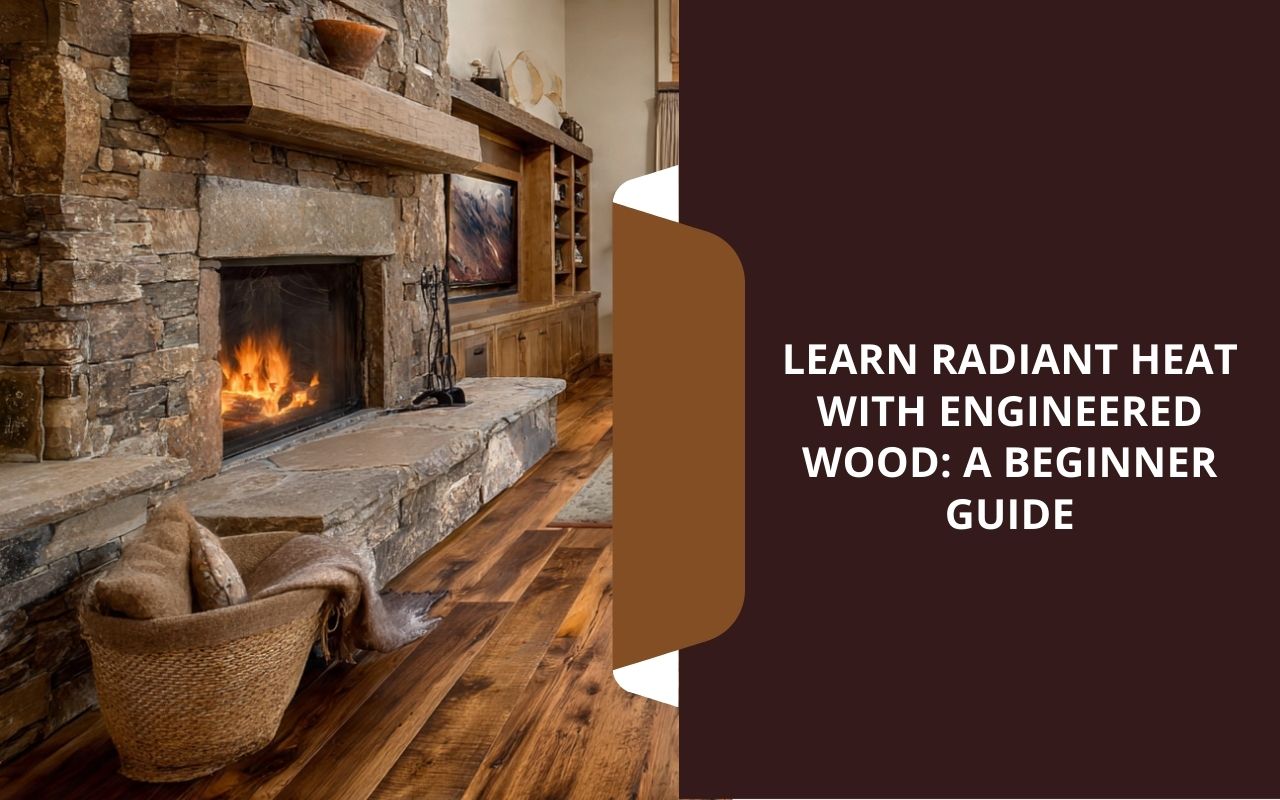
Learn Radiant heat with engineered wood: a beginner’s guide
Step into cozy living by learning Radiant heat with engineered wood. Many homeowners want warm floors in cold months. However, mixing radiant systems with engineered wood can feel hard. People worry about limits, install choices, and moisture. Still, with the right steps, you can keep comfort, style, and daily ease.
Radiant heat with engineered wood can work very well when you plan carefully. This guide explains the basics in a simple way. You will also learn how to handle max temp and moisture. As a result, your home can stay warm and stylish all year.
How radiant heat systems work
First, radiant systems warm a room from the floor up. They use warm water tubes or electric wires under the surface. Then, the floor gives off steady heat into the space. Unlike forced air, this method avoids chilly drafts. In addition, it helps rooms feel even and calm.
With engineered wood, the tubes or wires often sit above a slab or under a subfloor. Therefore, spacing matters to avoid hot spots. Also, good controls help keep a safe max temp. As a result, the wood stays stable and looks great.
Warmth rises gently from the floor
Thermostats and sensors help steady output
Even spacing reduces uneven heating
Why engineered wood pairs well with radiant floors
Engineered wood is built in layers, so it stays steadier than solid wood. Because the layers move in a balanced way, it can handle gentle heat changes better. Also, many styles and finishes make it easy to match your rooms. As a bonus, its build can help heat move through the floor faster.
Radiant heat with engineered wood can also support better energy use. Since warmth starts at your feet, you may feel cozy at lower air settings. Therefore, you can often reduce energy waste over time. If you want install help, see engineered wood installation tips for practical next steps.
Layered build supports steadier movement
Many looks, from light to dark tones
Often faster warm-up than thick solid planks
Max temp guidelines that protect your floor
Temperature limits matter when using Radiant heat with engineered wood. In many setups, the floor surface should stay at or below about 82°F (28°C). If you exceed that max temp, wood can dry too much. Then, it may shrink, crack, or form small gaps.
So, aim for slow changes instead of sudden jumps. For example, use gentle warm-up cycles. Also, rely on floor sensors, not only air readings. In addition, follow the maker’s notes for your specific boards. That way, Radiant heat with engineered wood stays safe and steady.
Keep surface heat near 82°F (28°C) when advised
Use slow warm-up and slow cool-down settings
Check product notes for radiant-floor ratings
Floating vs glue: choosing the right install method
Next, think about floating vs glue installs. Floating floors lock together and sit over an underlay. Therefore, they can be faster to place and easier to repair later. Also, they can allow small movement as heat shifts. Still, you must keep proper gaps at edges.
Glue-down floors bond planks to the surface. Because the boards touch the warmed base more directly, heat can move faster. However, you must use glue rated for radiant floors. For Radiant heat with engineered wood, both methods can work when done with care.
When a floating floor makes sense
Choose floating if you want easier swaps later. Also, it can help with sound control. In addition, many underlays include basic moisture help. Still, make sure the underlay fits radiant use. Otherwise, it may block heat flow too much.
When glue-down is a better fit
Choose glue-down if you want strong hold and quick warmth. Also, it can reduce hollow sounds. However, the base must be clean, flat, and dry. Then, follow cure times before turning heat on. This helps Radiant heat with engineered wood perform well.
Moisture control that keeps boards stable
Moisture is a top risk with heated floors. If damp stays trapped, boards can swell or cup. So, test the subfloor before you install. Then, use the right barrier if readings are high. Also, keep indoor air in a healthy range, often about 35% to 55% humidity.
In addition, watch for hidden leaks. Keep air moving through vents and returns. If you use glue-down, pick glue that helps block moisture. For floating floors, choose underlay with a vapor layer. With these steps, Radiant heat with engineered wood stays dependable.
How to pick engineered wood made for radiant heat
Not all boards are the same, so check product ratings. Look for boards listed as radiant-friendly. Often, these have stable core layers and sizes that respond well to heat. Also, review thickness and width since they affect heat movement. Then, compare samples in your lighting for the best match.
Before install, let boards rest in the room for a few days. This helps them adjust to the space. As a result, you reduce stress once heat turns on. This step supports Radiant heat with engineered wood for the long run.
Care tips for radiant-ready engineered wood floors
Regular care keeps the surface looking new. First, sweep or vacuum often to remove grit. Then, use a lightly damp mop with a wood-safe cleaner. Avoid soaking the floor, because water can slip into seams. Also, use felt pads under chairs and tables.
Seasonal heat changes matter too. So, raise settings slowly at the start of a cold season. Check expansion gaps now and then. If you see new gaps, review max temp and indoor humidity. These habits help Radiant heat with engineered wood stay smooth and strong.
Frequently Asked Questions
What is the safest max temp for engineered wood over radiant heat?
Often, installers aim for about 82°F (28°C) at the surface. However, always follow your board maker’s limits.
Is floating vs glue better for heat transfer?
Glue-down often transfers heat faster. Still, floating can work well with the right underlay and spacing.
How do I manage moisture with radiant floors?
Test the subfloor first, use a proper barrier when needed, and keep indoor humidity steady through the year.
Can radiant heat cause gaps in engineered wood?
Yes, if heat rises too fast or stays too high. Therefore, use slow warm-up cycles and respect max temp limits.
When should I call a pro for radiant heat with engineered wood?
If you see repeated hot spots, cupping, or loose boards, contact a flooring expert. You can also reach Nava Meneces Flooring LLC via the contact page.
Balance warmth and style for a welcoming home
With good planning, Radiant heat with engineered wood can feel both cozy and refined. First, learn how your system warms the space. Then, respect max temp limits and choose the best install method for your room. Also, manage moisture with testing and steady humidity.
As a result, your floors can stay beautiful while delivering gentle comfort. If you want a clear plan from start to finish, use the installation guide and connect with Nava Meneces Flooring LLC for project support.
