



The Complete Guide to Water Damage Floor Repair for Dallas
Stepping into your Dallas home and finding a soggy floor can feel overwhelming. Water from storms, burst pipes, or an overflowing sink can ruin your floors fast. When you see cupping or buckling, you may worry about repairs and the insurance process. This guide to Water damage floor repair for Dallas helps you act with confidence.
You will learn how to check the damage, start drying, and plan the next steps. You will also learn how to document issues for insurance, so you can protect your home. With the right plan, you can restore your floors and feel calm again.
Assessing the Damage in Water damage floor repair for Dallas
First, inspect the full area so you understand how far the water traveled. Look for warping, color changes, and soft spots in wood or grout. These signs help you see if the issue is only on the surface or if it reached the layers below. As a result, you can plan repairs with fewer surprises.
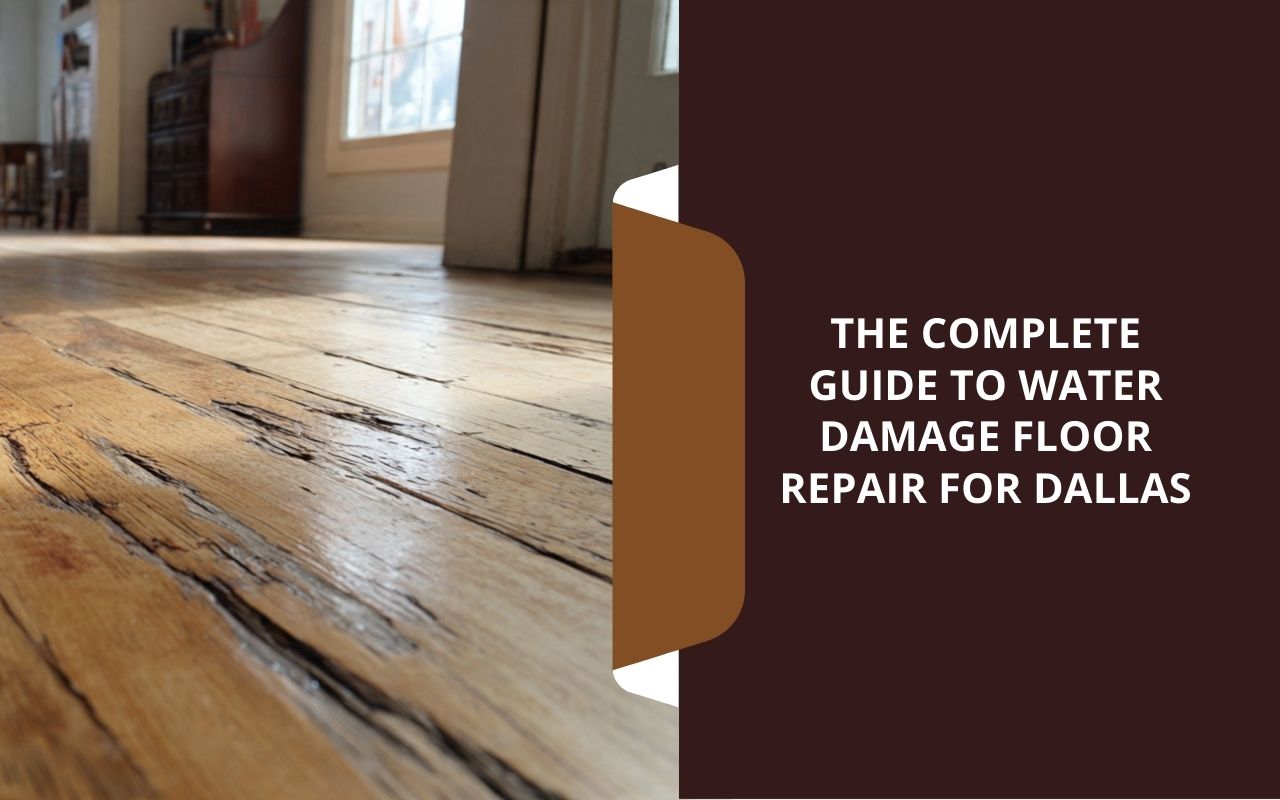
Next, check for cupping and buckling in hardwood. Cupping happens when boards rise at the edges. Buckling happens when boards lift and push against each other. Take notes and photos, because this proof helps during insurance calls and contractor visits. This step supports Water damage floor repair for Dallas from the start.
Quick checklist for a first inspection
Scan for discoloration, swelling, and soft spots
Check edges of boards for cupping
Look for lifted planks that show buckling
Photograph each room and close-up problem areas
Also, check the subfloor by gently probing near seams and gaps. If it feels spongy or shows stains, it may be weakened. If you have carpet, lift a corner to check the pad and subfloor. In turn, this deeper check helps you avoid hidden mold and long-term structural issues.
Flooring Materials Overview
Before you choose a fix, identify your floor type. Many Dallas homes use hardwood, laminate, tile, vinyl, or carpet. Each one reacts to water in a different way, so the best repair method can change. Therefore, knowing your material helps you avoid the wrong steps.
For example, solid hardwood may be saved with sanding and refinishing after minor cupping. However, laminate often needs plank replacement once it swells. Vinyl may survive if only the top layer got wet, while carpet padding can hold moisture too long. This knowledge guides Water damage floor repair for Dallas with fewer mistakes.
How common floor types react to water
Hardwood: may cup, then flatten as it dries, but can also buckle if soaking is severe
Laminate: often swells and separates, so replacement is common
Tile: can hide moisture in grout lines and underlayment
Vinyl: may lift at edges if water reaches the adhesive layer
Carpet: padding can trap water and raise mold risk
Immediate Steps to Reduce Water Damage
Act fast to limit spread and cut repair time. Remove standing water with towels, mops, or a wet/dry vacuum. The sooner you pull water off the surface, the less it can soak into edges and seams. As a result, you improve your odds of saving materials.
Then, move furniture and rugs out of the area. This helps prevent stains, mildew, and extra warping. Next, open windows and doors when conditions allow, and run fans to improve airflow. Also, use a dehumidifier to lower humidity. These steps support Water damage floor repair for Dallas and reduce mold risk.
Immediate action list
Stop the water source if possible
Remove standing water right away
Move furniture and rugs to a dry space
Start airflow with fans and open doors
Run a dehumidifier to reduce humidity
Drying Techniques That Work
Drying is critical, because moisture left behind can lead to mold and odor. Aim fans toward wet zones to push steady airflow across the surface. Pair fans with a dehumidifier to pull moisture out of the air. In many cases, keeping indoor humidity under 50% helps drying move faster.
If water reached under the floor, basic airflow may not be enough. In that case, drying mats or systems that move air under boards can help. When moisture is trapped, a qualified team can locate hidden wet pockets and dry them safely. This is a key part of Water damage floor repair for Dallas.
Repair vs. Replacement
Deciding what to do depends on how deep the water went and how long it sat. Minor cupping or small gaps may be fixed with refinishing or targeted plank replacement. These options can be quicker and less disruptive. However, severe buckling, mold, or a weakened subfloor often points to replacement.
If you are unsure, get a professional opinion. A trained flooring team can check for hidden moisture and confirm if the subfloor is sound. To explore what a full service plan can include, review Nava Meneces Flooring LLC services and compare the options that match your floor type and damage level.
Hiring the Right Pros in Dallas
When damage is widespread, a local expert can speed up recovery. Look for contractors who handle water damage and flooring repair, and who understand cupping, buckling, and drying steps. Also, ask about certifications and experience with moisture control. That way, you lower the risk of repeat issues.
Request written estimates that list labor, materials, and equipment. A clear scope helps you compare bids fairly. If you want to discuss your situation and share photos, you can reach out through the contact page for Nava Meneces Flooring LLC and ask about an inspection plan that fits your home.
Insurance Claims for Water Damage Restoration
Start your claim early, and document everything. Take photos and videos of each room, plus close-ups of cupping, buckling, and stains. Keep receipts for items like fans and dehumidifiers. Then, contact your provider and schedule the adjuster visit. Clear records can improve the process.
Be ready to explain the cause, such as storm water or a burst pipe, since coverage can vary by policy. If the first estimate seems low, share your evidence and contractor scope details. In short, staying organized helps you move through insurance with less stress.
Preventative Measures to Avoid Future Problems
Once repairs are done, prevention keeps your floors safer. Seal gaps around doors, windows, and plumbing points. Check those seals each year, because wear is common. Also, keep gutters and downspouts clean so water flows away from the home. As a result, you lower risk near the foundation.
Consider water sensors under sinks and near appliances. Early alerts help you stop leaks before they spread. These steps reduce the chance you will need Water damage floor repair for Dallas again.
Simple prevention habits
Seal entry points near plumbing and exterior openings
Clean gutters and extend downspouts away from the home
Use leak sensors near sinks, washers, and water heaters
Address small drips quickly to prevent slow soaking
DIY Maintenance for Healthier Floors
Regular care helps floors handle daily wear and small spills. Sweep or vacuum often to remove grit that can scratch finishes. When you mop, use a damp mop, not a soaking wet one, especially on wood or laminate. Also, use entry mats to catch moisture from shoes.
For wood floors, a protective finish can add a barrier against small spills. Even so, no finish makes a floor waterproof. Therefore, fast cleanup remains the best habit for long-term floor health.
Frequently Asked Questions
What are the first signs of water damage on wood floors?
You may notice warping, dark stains, soft spots, or edges that rise. Cupping often shows first, especially after slow leaks.
How long should I run fans and a dehumidifier?
Drying time depends on the amount of water and the floor type. However, keep airflow and humidity control going until the area is fully dry and stable.
Can cupping go away on its own?
Sometimes cupping improves after proper drying. Even so, sanding too early can cause uneven results, so wait until moisture is normal.
When does buckling mean I need replacement?
If boards lift high, shift, or the subfloor is weak, replacement may be safer. Also, mold risk can push the decision toward removal.
What should I document for an insurance claim?
Take photos and videos of every affected area, plus close-ups of damage. Keep receipts and notes on the timeline and the source of the water.
Bring Your Home Back to Normal
Water damage can feel sudden and stressful, yet a clear plan makes it manageable. With fast cleanup, smart drying, and careful evaluation, you can protect your home. If you need help, experienced local guidance can simplify the process. Water damage floor repair for Dallas is easier when you take the right steps in the right order.
